 English
 ภาษาไทย

Languages

How an International School Prepares Children for a Global Future
Submitted by bangkokundergro... on Fri, 05/08/2026 - 14:54
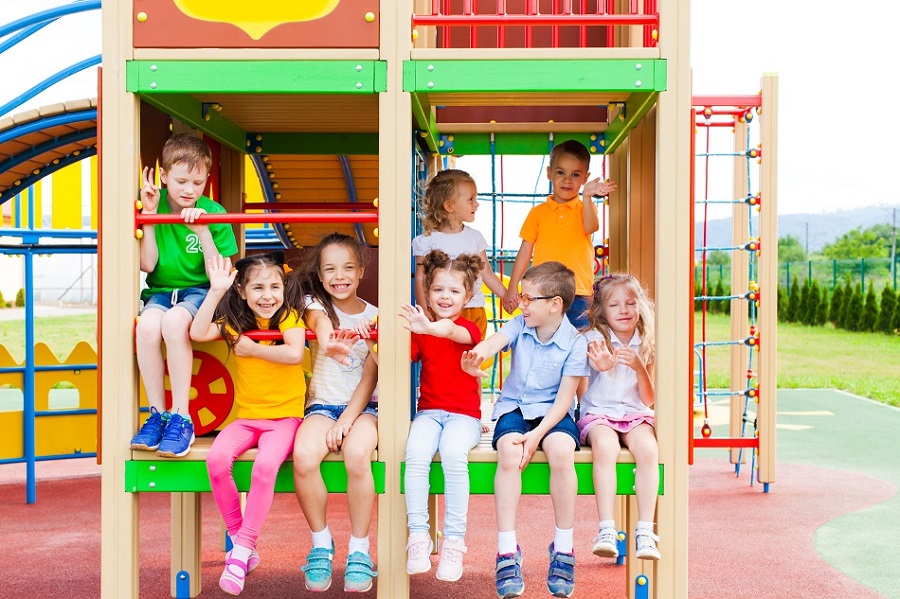
Education is changing from an education system to an adaptable, culturally-aware and technology literate way. As families living in South East Asia, this strategic move towards offers a continuity of education and broader outlook that helps the 21st-century child navigate an increasingly interconnected world more readily by selecting an international school. In these institutions, academic instruction is just a part of the experience there are many benefits to an educational environment especially aimed at developing students with a global approach.
Curricular Frameworks and Academic Rigor
A good international school starts with the right curriculum. While the British National Curriculum has made inroads into the country, most of the top schools in this region are either adopting or have moved to Ib. The frameworks are fully transferable to top universities around the globe. Through an emphasis on critical thinking instead of memorization, students can analyze multifaceted problems across the world, thus equipping them for the challenges of college and career in international environments.
Developing Cultural Intelligence and Empathy
One of the key features of an international school is its diversity. Students encounter other students and faculty members from dozens of countries on a daily basis. At this point, you are all but guaranteed to naturally build cultural intelligence, showing children how to overcome and handle varying perspectives and communications styles. In a globally competitive environment, the opportunity to work across borders with people from different backgrounds is an essential ability that prepares students for the future and gives them these soft skills in a protected environment of education.
Multilingualism and Communication Skills
Communication is the key to be successful globally. A big aspect of many international schools is also the language, and interior most worldwide faculties have English as the primary language of instruction alongside extra robust secondary languages programs. Be it Mandarin, Spanish, or French; multilingual skills enable students to build bridges between regions of the world. Students will be equipped, not only with vocabulary but also with the subtleties that come along with modern communication and public speaking so they can effectively express themselves anywhere.
Technological Literacy and Innovation
Skills on new technologies is also necessary for kids to sustain competition in the future. Most international school choices incorporate some elements of STEM (Science, Technology, Engineering and Mathematics) into their everyday learning activities. Students learn how to use digital tools for research, collaboration, and creative problem-solving. This familiarity with technology from such an early age means they are not only consumers of digital content but ready to be innovators and harness this technology to address global challenges.
Leadership and Social Responsibility
International schools may teach religion or philosophy within this context, but beyond academics an international school is usually very much about character and social responsibility. At schools like Brighton College Bangkok, programs focused on kindness and service to the community help students think about their role in the world. Through leadership and involvement in social initiatives they learn that their role can be seen as positively contributing to the human agenda. That kind of purpose is what eventuallygrooms them to be the compassionate leaders of tomorrow.